
News & Commentary

Kesley’s Legacy: Why No Detention is Safe
After three long years of litigation, the private prison company CoreCivic paid a settlement to the wrongful death estate of Kesley Vial, a 23-year-old Brazilian asylum seeker who died by suicide while in ICE custody at the Torrance County Detention Facility (TCDF) in Estancia, New Mexico, in August of 2022.



Feb 24, 2016
ACLU and PDIB Applaud New Protections for Migrants’ Personal Property
LAS CRUCES, NM—Today, the American Civil Liberties Union (ACLU) of New Mexico’s Regional Center for Border Rights (RCBR) and the Programa de Defensa e Incidencia Binacional (PDIB) in Ciudad Juárez, Mexico welcomed the inclusion of protections for migrants’ personal property in the new repatriation agreements between the U.S. Department of Homeland Security (DHS) and the government of Mexico. The new repatriation agreements include the following language: “The signatory participants should take all feasible steps to ensure that property, valuables, and money
By Micah McCoy

Jan 20, 2016
ACLU-NM Works with Bipartisan Team of Legislators to Introduce Electronic Communications Privacy Act
By Micah McCoy
Dec 17, 2015
ACLU of NM Sues Albuquerque Police for Withholding Public Records
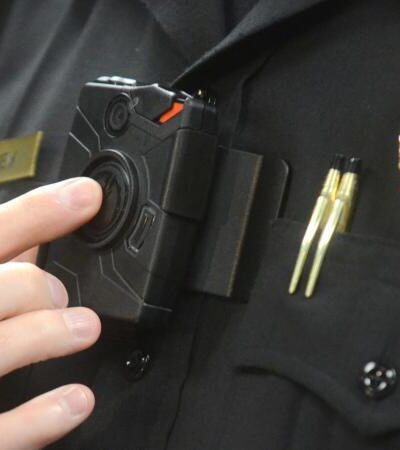
ALBUQUERQUE, NM—Today, the American Civil Liberties Union (ACLU) of New Mexico filed a lawsuit against the Albuquerque Police Department (APD) for failing to release lapel-cam footage of a police shooting requested pursuant to the New Mexico Inspection of Public Records Act (IPRA). On January 15, 2015, the ACLU’s client, independent citizen journalist outlet BurqueMedia.com, requested all lapel camera footage taken by officers pertaining to an incident that occurred two days earlier in which APD officers shot and killed John O’Keefe near San Mateo and Constitution. Despite the fact that the footage by BurqueMedia.com constitutes public records, APD refused to release video taken during the incident.
By Micah McCoy
Nov 18, 2015
ACLU of NM Calls on Governor Martinez to Cease Anti-Refugee Fearmongering
ALBUQUERQUE, NM—The following statement can be attributed to ACLU-NM Executive Director Peter Simonson:
By Micah McCoy

Nov 12, 2015
ACLU: CBP Body-Camera Announcement Fails to Address Accountability Crisis
LAS CRUCES, NM—Today, Commissioner Kerlikowske announced additional phases to further study the use of body-worn and other camera technologies at U.S. Customs and Border Protection (CBP). The announcement follows the conclusion of a feasibility study, which tested body-worn cameras in both training and operational environments for all CBP component agencies and included field-testing by the El Paso Sector of the U.S. Border Patrol.
By Micah McCoy
Nov 10, 2015
ACLU of New Mexico condemns FBI’s military tactics, disregard for children in drug raid
Flashbang grenade injures and traumatizes children in Anthony, NM during FBI’s low level drug raid
By Micah McCoy
Nov 05, 2015
Mobile Justice App Coming to NM! Help Spread the word!
The Mobile Justice App is coming to New Mexico Friday, November 13!Videos of police encounters are changing per
By Micah McCoy

Oct 30, 2015
ACLU of New Mexico Denounces REAL ID Bullying
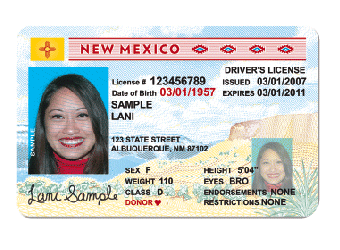
ALBUQUERQUE, NM—Today, the American Civil Liberties Union (ACLU) of New Mexico denounced the Department of Homeland Security’s (DHS) heavy-handed attempt to force national identity cards on New Mexicans in the form of REAL ID, an extremely unpopular and unfunded mandate tacked onto a “must-pass” Tsunami relief bill and passed by Congress with no debate in 2005. The REAL ID Act of 2005 aims to turn state drivers licenses into a national identity card and impose numerous new burdens on citizens and state governments, all while doing little to protect against terrorism. On October 28, 2015, the DHS announced that it had denied New Mexico’s request for an implementation extension, potentially barring New Mexicans from using state drivers licenses to board aircraft or enter federal buildings in the future.
By Micah McCoy
Stay Informed
Sign up to be the first to hear about how to take action.
By completing this form, I agree to receive occasional emails per the terms of the ACLU’s privacy statement.
By completing this form, I agree to receive occasional emails per the terms of the ACLU’s privacy statement.